Skip to Content

Our materials

Our focus is on extending the use of post-consumer plastic waste, as well as industrial waste, to avoid the premature burning of these resources. For now, bio-based plastic (PLA) remains the most widely used material for our products. The impact of these materials is not yet sufficiently transparent and remains questionable, but they help us to bridge the gap while we develop solutions with our partners. Regardless of the materials we use, our priority is to create high-quality, durable 3D-printed products.

Our focus is on extending the use of post-consumer plastic waste, as well as industrial waste, to avoid the premature burning of these resources. For now, bio-based plastic (PLA) remains the most widely used material for our products. The impact of these materials is not yet sufficiently transparent and remains questionable, but they help us to bridge the gap while we develop solutions with our partners. Regardless of the materials we use, our priority is to create high-quality, durable 3D-printed products.

Research & Development

The shift to local recycled plastic


Research and development is undergoing with our partners to make the shift towards more local and recycled materials. We are aiming on replacing most of our bio-based plastics with recycled plastics from local post-consumer and industrial waste by Q1 2026.

Collection

The recycling process starts with all of us as consumers gathering plastic packaging materials in the Kunststoffsammelsack at home. Our partner who has set up a collection system across different Swiss region is then collecting the post-consumer waste. This waste is gathered and transported to the recycling centre.

Recycling

Our recycling partner, Vogt Plastics in Rheinfelden, shreds, washes, sorts and regranulates the plastics. This extremely complex process is fully automated and outputs different recycled plastic types and colours.


Compounding with natural fibres

Together with the BFH we have started combining recycled post-consumer plastic with natural fibres. We aim to use only natural fibres sourced from local industrial and agricultural side streams.


3D printing

Additive manufacturing enables local production, allowing us to manufacture only on demand and thereby eliminate overproduction and material waste.


Our current materials

Recycled plastic

What is it and why we use it 

It is plastic waste that has been collected, processed, and turned into new material. By using recycled plastic, we reduce the need for new virgin material and extend its lifespan.


Limitation of plastic recycling

We recognise that recycling should always be the last resort and not a long-term solution. The primary goal must remain reducing plastic consumption, followed by reusing and repairing existing products. However, as long as plastic continues to be used as it is today, we should maximise its technical value. Plastic has highly useful properties that can be utilised more than once. This is our current vision, though we remain open to discussion and committed to rethinking how we use this resource.

Recycled plastic

What is it and why we use it 


Recycled plastic is plastic waste that has been collected, processed, and turned into new material. By using recycled plastic, we reduce the need for virgin resources and extend the lifespan of a material that would otherwise be burned.


Limitation of plastic recycling


We recognise that recycling should always be the last resort and not a long-term solution. The primary goal must remain reducing plastic consumption, followed by reusing and repairing existing products. However, as long as plastic continues to be used as it is today, we should maximise its technical value. Plastic has highly useful properties that can be utilised more than once. This is our current vision, though we remain open to discussion and committed to rethinking how we use this resource.

Post-consumer polyptopylene (PP)

Polypropylene (PP) is a widely produced plastic for everyday items. It is commonly used for parts that must endure mechanical or thermal stress. PP is one of the plastic types collected from post-consumer waste in the Kunststoffsammelsack and is then processed and recycled by Vogt Plastic.

The recycled PP granules are sorted by colour according to their intended application. For example, this allows us to use translucent materials for products such as lamps. At present, we are using PP sheets for our custom products, at the same time as we are making PP fit for 3D printing. 

This is the texture of a sheet made of pressed PP.

Mischkunststoff (MK)

Mixed plastics

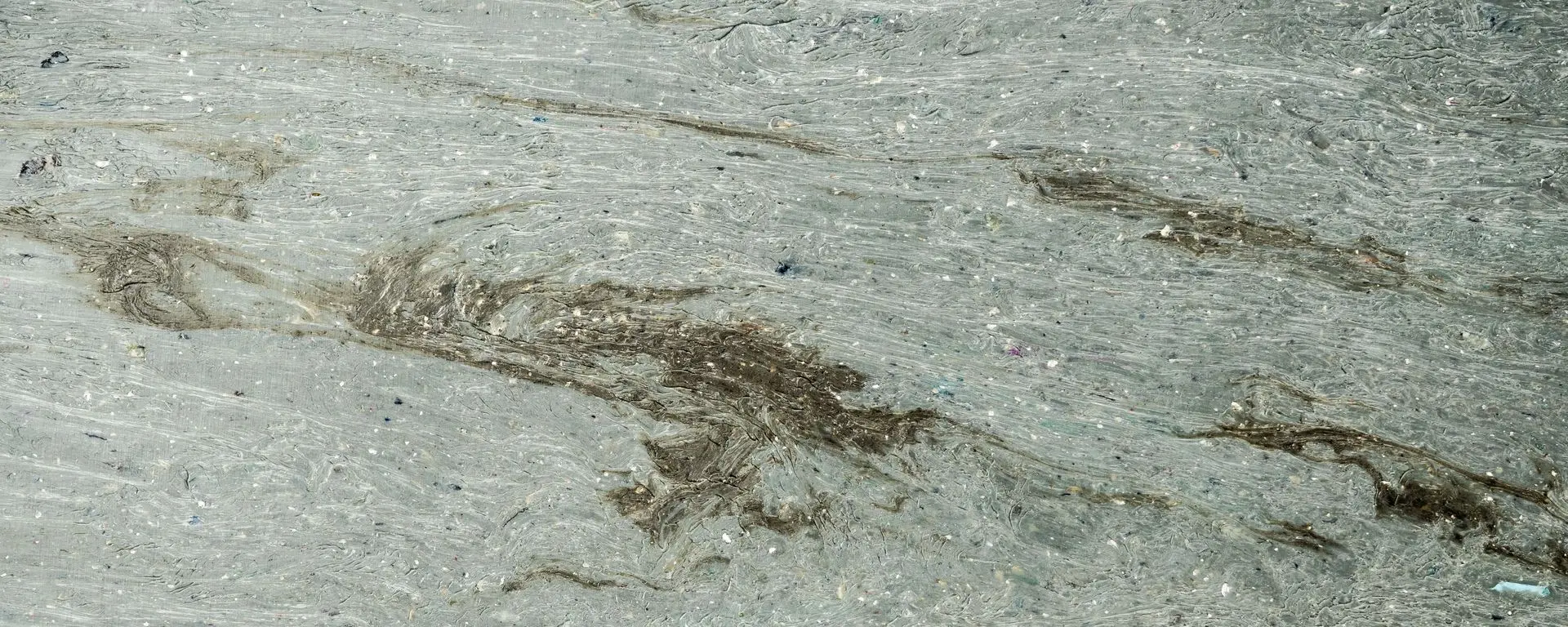
Mischkunststoff (MK) is a co-product of the recycling separation process of post-consumer plastic waste. It consists of all plastic types that could not be categorised and cannot be recycled into new granulates. Instead, this remaining mass of plastic is pressed into sheets. Every sheet comes with its unique colours and texture due to its mixed components. 

This is the texture of a sheet made of pressed MK.

Recycled polyethylene terephthalate (R-PET)

R-PET is a plastic type that is recycled from packaging and bottles. It has a similar strength, lightweight, and transparent structure as virgin PET, making it suitable for new durable applications. The R-PET we use is sourced from our Spanish supplier. 

Bio-based plastic

What is it and why we use it 

Bio-based plastics in our products are made partially or entirely from starchy plants such as sugarcane, potatoes, or corn. These raw materials are fermented into lactic acid to produce polylactic acid (PLA).

PLA is a plastic type especially well adapted for 3D printing – that offers a solution which helps us in the transition phase while we develop our own materials. 
While PLA reduces reliance on fossil fuels, its supply chain lacks transparency and raises many questions regarding its impact. Therefore, we aim to replace all PLA with recycled plastics wherever possible.

Colour pigment

Our bio-based plastics contain up to 1% colour pigment.

All coloured materials in our product catalogue are made of 99% PLA with 1% colour pigment. 

Natural fibres

Our bio-based plastics contain up to 50% natural fibres. 

Materials in brown tones are a blend of PLA with between 30% and 50% natural fibres. Natural fibres can be added to bio-based plastics to enhance structural strength. This not only alters the look and feel of the surface but also reduces the amount of plastic required. At present, we are working with PLA and natural fibre mixes as listed below.


Olive – Pits from oil production


Pine – Wood industry waste


Cork – Industry waste

Our Supply Chain